

Within today's dynamic work environment, the layout of our office desk can considerably influence the effectiveness with which we collaborate with colleagues. A properly configured workstation table not only enhances personal productivity but also fosters a sense of teamwork and open communication among staff. As companies increasingly embrace flexible work arrangements, understanding the potential of various desk setups becomes crucial to creating spaces that encourage collaboration and innovation.
Whether you are exploring options for a fresh office design or seeking to improve your current workspace, there are a variety of types of office workstation tables to consider. From streamlined, modern designs to more traditional styles, the choices can accommodate to different needs and preferences. By strategically selecting the appropriate table desk office arrangement, businesses can create environments that promote interaction, creativity, and shared ideas, ultimately transforming the way teams collaborate.
Creating Cooperative Work Areas
Designing an efficient joint workstation starts with the picking of the appropriate office workstation. Such workstations must be designed to facilitate interaction and team effort among staff, fostering a higher interactive work setting. By selecting larger desks that can fit multiple users at the same time, you can make sure that collaborators have enough capacity to exchange ideas and assets during brainstorming sessions.
An additional crucial element of establishing collaborative workstations is the arrangement of furniture. Setting up desks to encourage transparency can significantly enhance collaboration among staff. Circular office table configurations allow for smooth communication flow and foster a sense of togetherness. Including movable workstations or flexible workstations additionally boosts versatility, enabling groups to adapt the setup based on ongoing initiatives and group interactions.
Along with desk setup, the inclusion of technology is crucial in contemporary office designs. By furnishing office workstations with embedded charging points and connection points, workers can remain linked and effective. Multiple screen arrangements and collaborative resources should be at hand at each workstation to make certain that information is readily shared amongst participants. With the appropriate design elements in position, cooperative areas can promote innovation and increase overall productivity in the environment.
Benefits of Open Office Layouts
Open office layouts foster better communication and collaboration among team members. By removing physical barriers such as cubicles and walls, employees are encouraged to interact more openly, share ideas, and work together on projects. This environment promotes a sense of community and teamwork, leading to increased creativity and innovation, as individuals can quickly gather for brainstorming sessions or impromptu discussions.
Furthermore, flexible workstation table designs in open offices allow for flexibility and responsiveness to changing team dynamics. Workers can adjust their space or set up collaboration zones as needed, catering to various work styles and tasks. This flexibility can lead to increased job satisfaction, as employees feel enabled to create an environment that best suits their needs and working preferences.
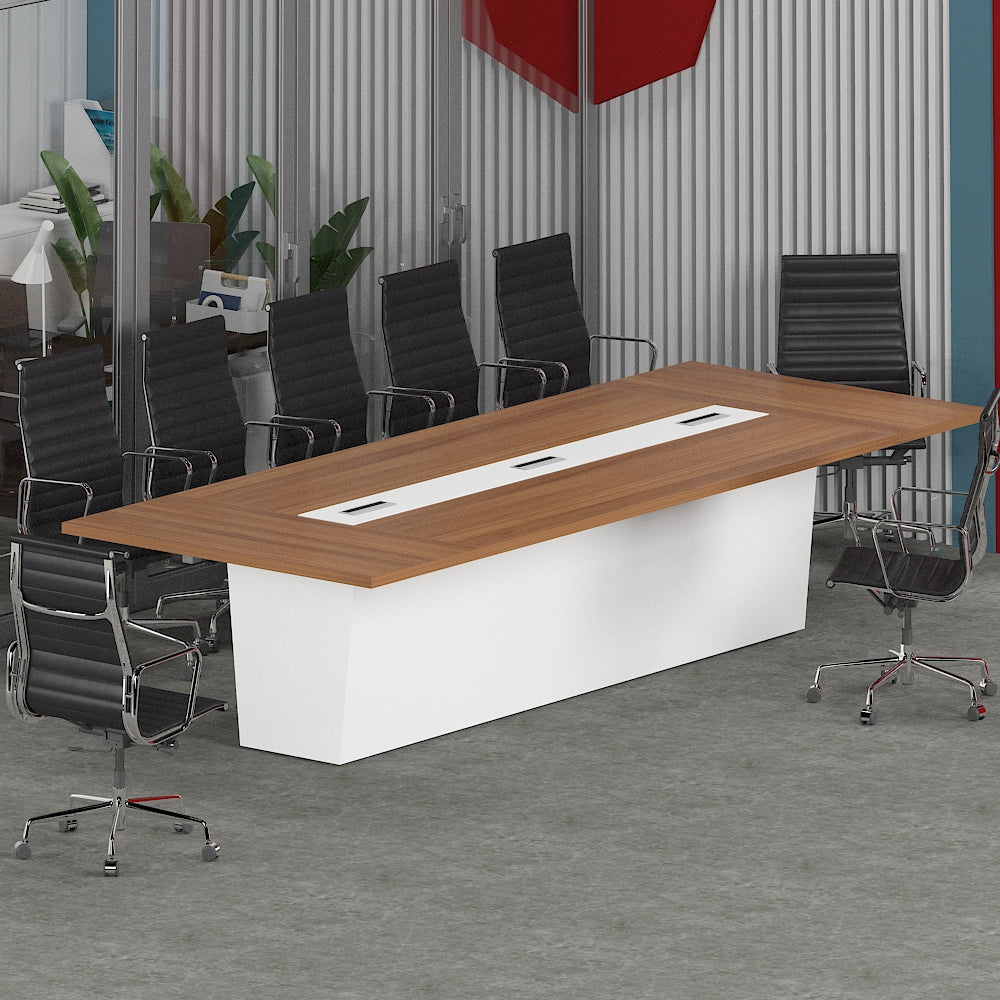
Lastly, open office layouts can contribute to a more optimal use of space and resources. With shared amenities and communal areas, companies can optimize their real estate costs while providing a vibrant backdrop for interaction. This layout often allows for more ample light and better airflow, contributing to a more vibrant workplace, eventually enhancing overall employee well-being and productivity.
User-Friendly Aspects in Work Furniture
While developing an office workstation, ergonomic principles plays a vital role in enhancing employee comfort and productivity. An office workstation desk should ideally allow employees to maintain a comfortable posture while working. This means that the table level should accommodate multiple body types, allowing employees to be seated with their feet flat on the ground and their arms at a natural angle when keyboarding. Flexi desks, which can convert between sitting and standing positions, are increasingly popular as they promote improved posture and can lead to increased morale and efficiency.
Another, important aspect of ergonomic office furniture design is the organization of tools within the workstation. Monitors should be placed at the level of the eyes and at an optimal distance to minimize strain on the neck and eyes. Additionally, items often used, such as phones and writing tools, should be within convenient reach to avoid awkward stretching or twisting of the body. The design of a workstation table should also consider the placement of lighting, ensuring there is sufficient illumination without reflection on screens, which can lead to discomfort and decreased productivity.
Lastly, selecting the right office chair is crucial for enhancing workplace comfort. An ergonomic chair offers necessary support to the lower back, encourages proper spinal alignment, and features adjustable components to fit the individual user. Armrests should be movable to help reduce tension in the shoulders, while a seat with sufficient cushioning can prevent discomfort during long hours of work. By focusing in office workstation table hyderabad , companies not only prioritize the health of their employees but also cultivate an environment conducive to collaboration and high performance.
Optimizing Area for Group Interaction
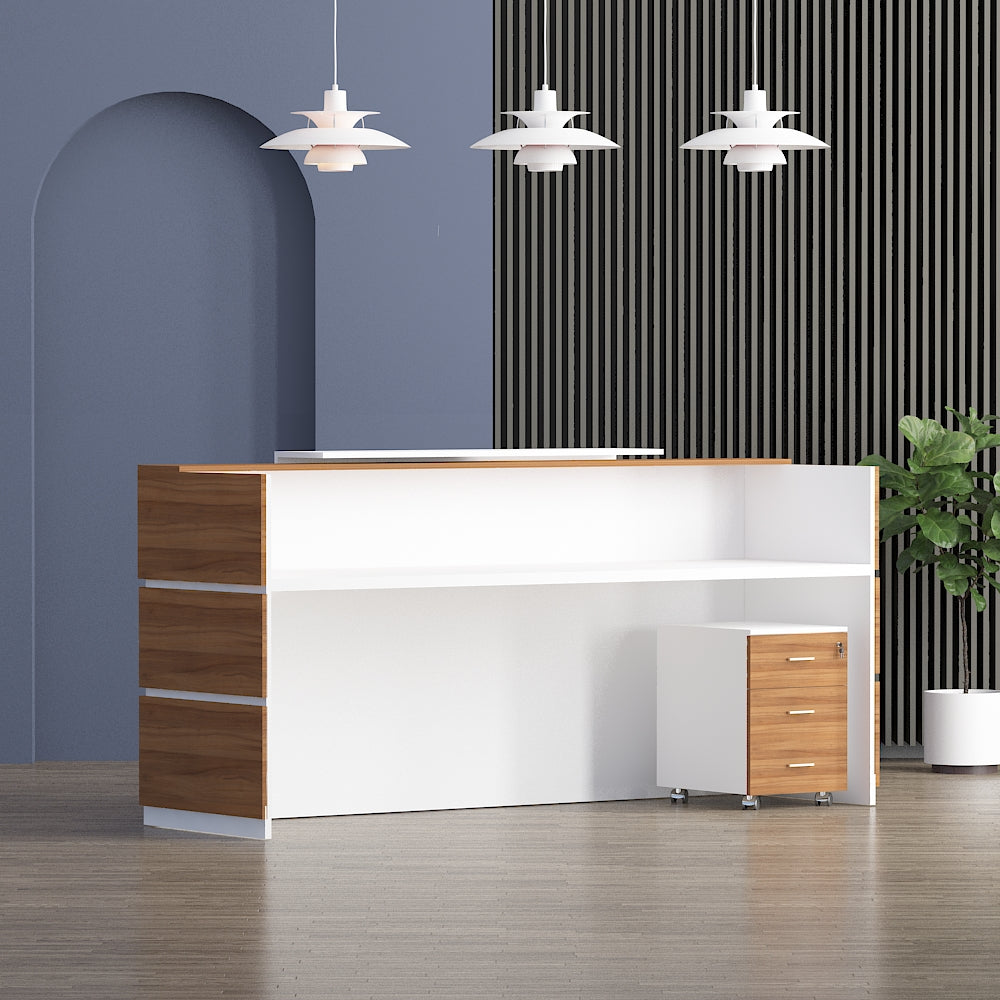
Creating a collaborative workspace begins with the strategic organization of office desk stations. To encourage participation, consider layout configurations that promote interaction, such as circular configurations. These setups enable employees to look at one another, promoting open communication and facilitating brainstorming meetings. Additionally, incorporating collaborative tables or communal tables can create a feeling of togetherness and encourage informal conversations, which are vital for collaborative work.
It's also essential to consider the size and specifications of the workstation stations. Choosing adjustable-height tables can accommodate different work styles, allowing workers to choose between sitting and standing positions. This flexibility not only improves comfort but also promotes movement and interaction among staff. Moreover, ensuring that there is enough space around each workstation is important in preventing a messy atmosphere, which can obstruct collaboration.
To additionally enhance group interaction, integrating technology within the workstation design is key. Utilizing desks equipped with integrated power outlets and charging ports can facilitate seamless cooperation for team work. Likewise, incorporating dividers with whiteboards or writable surfaces serves dual purposes—providing seclusion for individual tasks while allowing spontaneous sharing of ideas. Incorporating these elements in your workplace layout will create a flexible space supportive of collaboration and innovation.
Selecting the Appropriate Workplace Table Setup
Choosing the right workplace table configuration is crucial for fostering collaboration among team members. Consider the arrangement that encourages interaction and communication, such as collaborative workspace desks that facilitate quick access to colleagues. office computer table with integrated technology can improve communication, making it easier for teams to share ideas and collaborate.
When evaluating various designs, think about the size and functionality of the office workstation desk. A properly sized table provides sufficient room for each staff member while also promoting a pleasant work environment. Features like adjustable heights and customizable designs can further accommodate varied workstyles and preferences, making sure that all individuals can find their ideal working position.
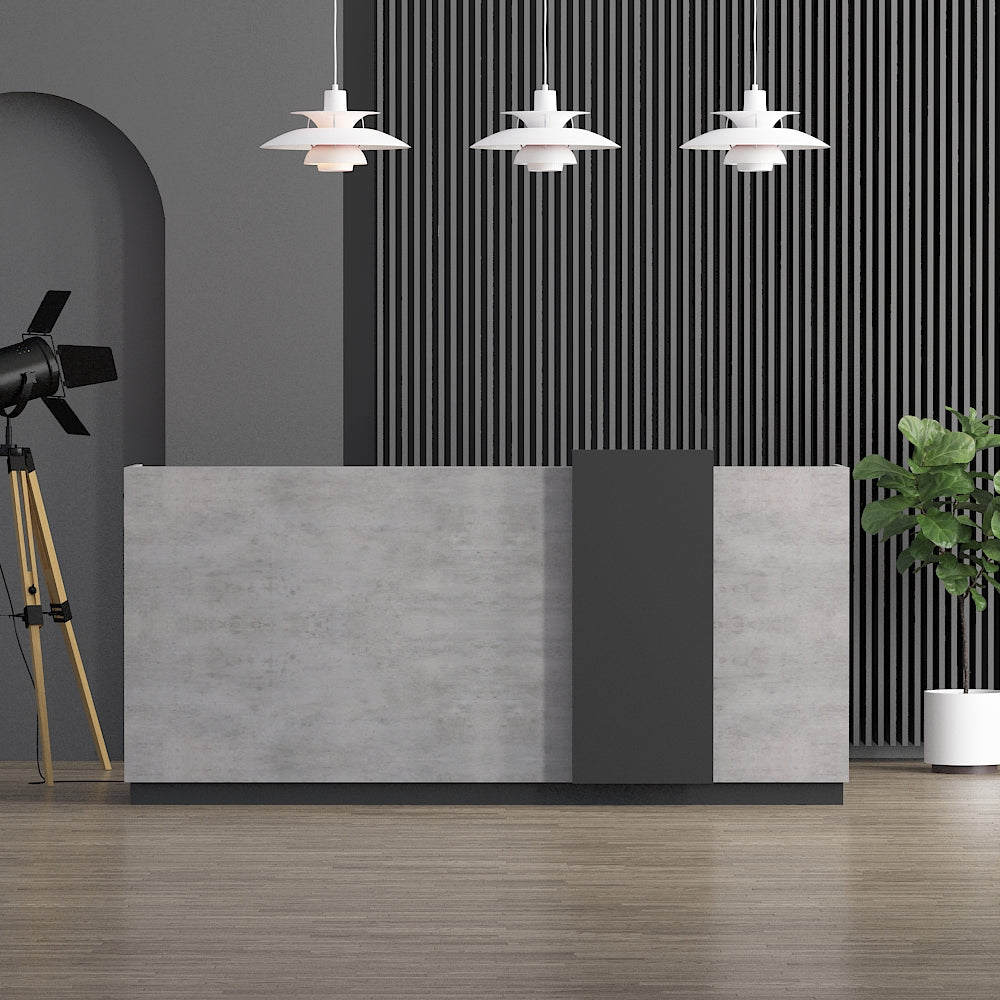
Lastly, do not neglect the aesthetic elements of the workspace computer table. An inviting and organized workspace can greatly impact employee morale and creativity. Opt for contemporary yet functional furniture that aligns with your company’s culture and values, and consider implementing a cohesive color scheme or distinct design elements to create a cohesive and motivating workspace atmosphere.